
June 17, 2026
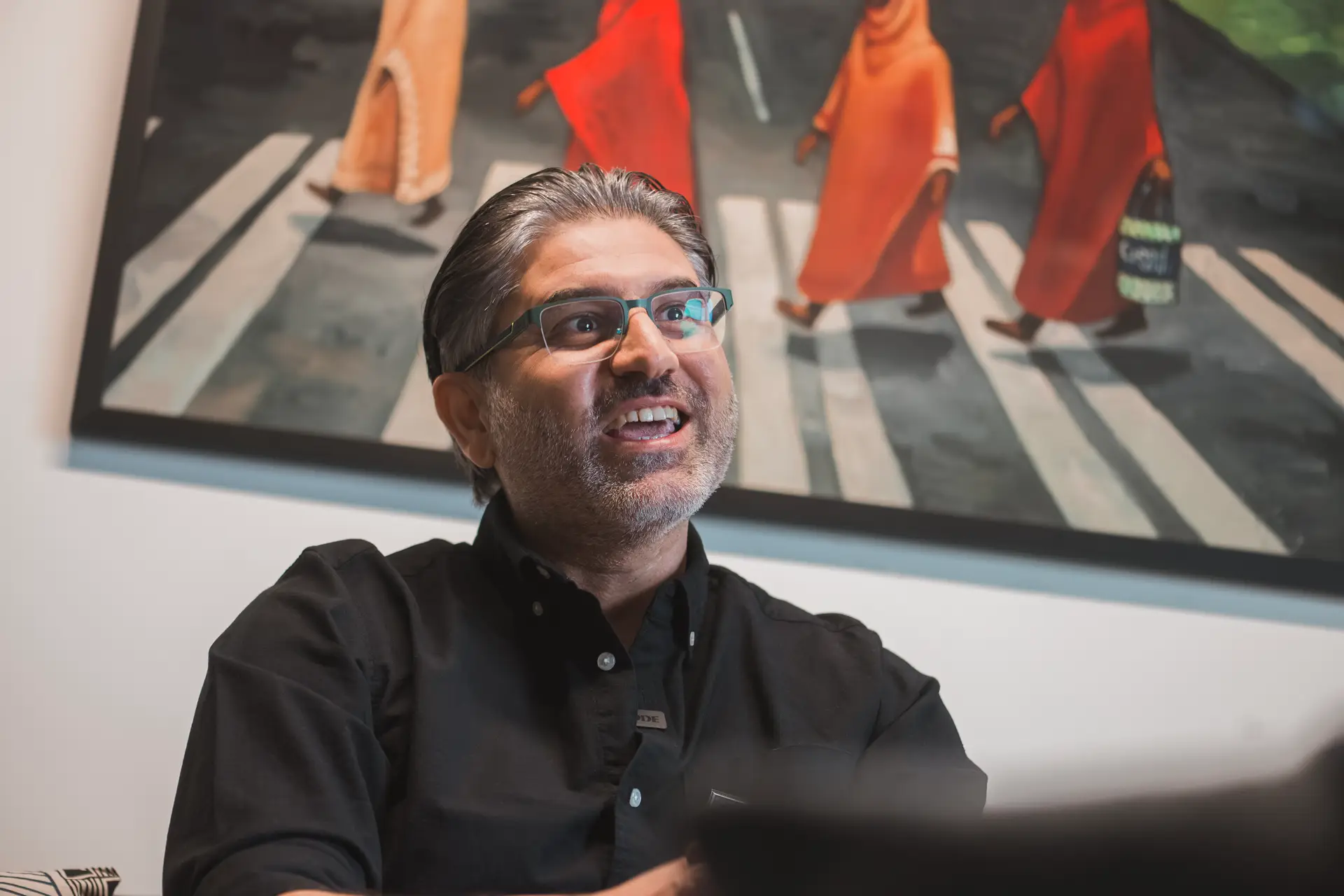
For many men, reaching out for mental health support can feel out of reach—shaped by stigma, language barriers, or cultural expectations.
At IslamicFamily, counsellor Mohammad Ayyash is helping change that.
“Many suffered silently,” he says.
Mohammad understands that silence. He grew up in Syria, where he was drawn early to psychology and built a career supporting others through trauma—until war forced him to leave his home.
In 2011, the Syrian revolution upended his life. He and his wife fled to Jordan, where he had no work or citizenship status. Still, he volunteered in refugee camps, using his skills to support others. After five years of uncertainty, they were invited to Edmonton.
Arriving in Canada in 2016, Mohammad started over. He spoke little English, felt deep anxiety, and worked long days in construction. Through it all, he held onto the tools he now shares with his clients.
“My journey taught me to be resilient,” he says.
Today, Mohammad leads therapeutic groups designed specifically for men who might not otherwise seek support—particularly those navigating language barriers, cultural stigma, or the lasting effects of trauma.
Many are newcomers. Some are refugees or survivors of war. Others have been referred through the justice system. What they share is a hesitation to speak and a need to be understood.
Through culturally grounded counselling—rooted in language, faith, Islamic Psychology and lived experience—Mohammad begins by building trust.
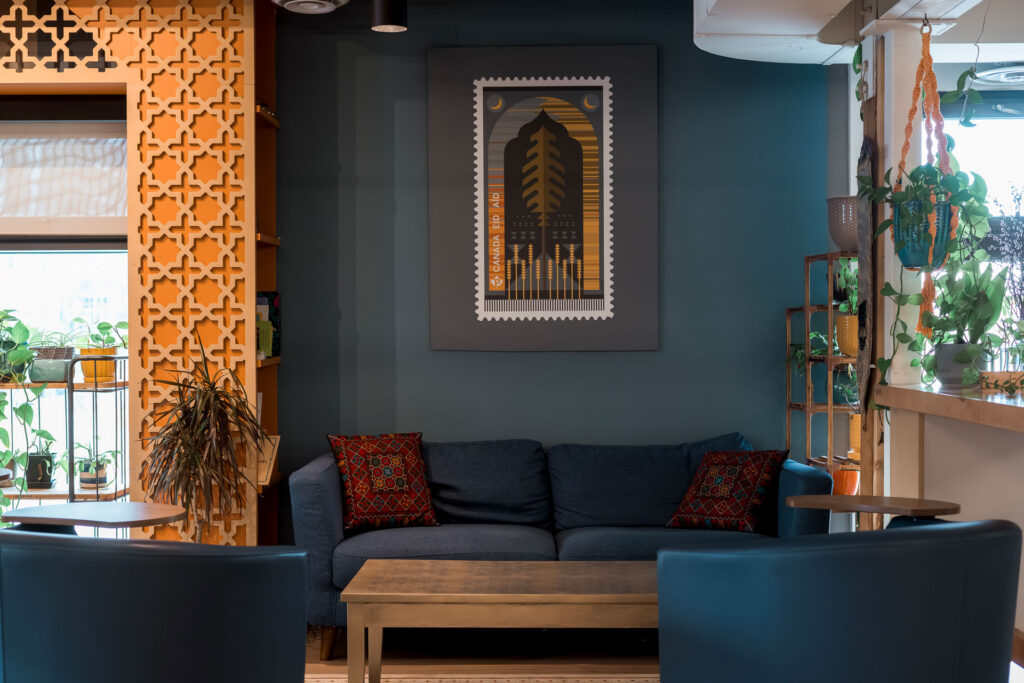
At IslamicFamily, counsellor Mohammad Ayyash welcomes clients into a warm and comfortable space that facilitates healing.
That trust changes everything.
Men who once sat quietly begin to open up. They learn how to manage stress, express emotions, and strengthen relationships. One participant even brought a breathing exercise he learned home to his family—turning a moment of learning into connection.
In some cases, friendships form across cultures and backgrounds, continuing long after the program ends.
“Connection is where healing begins,” Mohammad says.
By meeting people where they are, programs like this are reducing stigma and making mental health support more accessible—creating space for people to be seen, heard, and supported.
“I love when I can hold space for deep pain for my clients. When I act as an eye-witness and my clients feel seen, understood and empowered.”
And for many, that space is where everything begins to change.
Explore our 2025/26 Annual Report and discover the impact your support made possible.
See Report