June 17, 2026
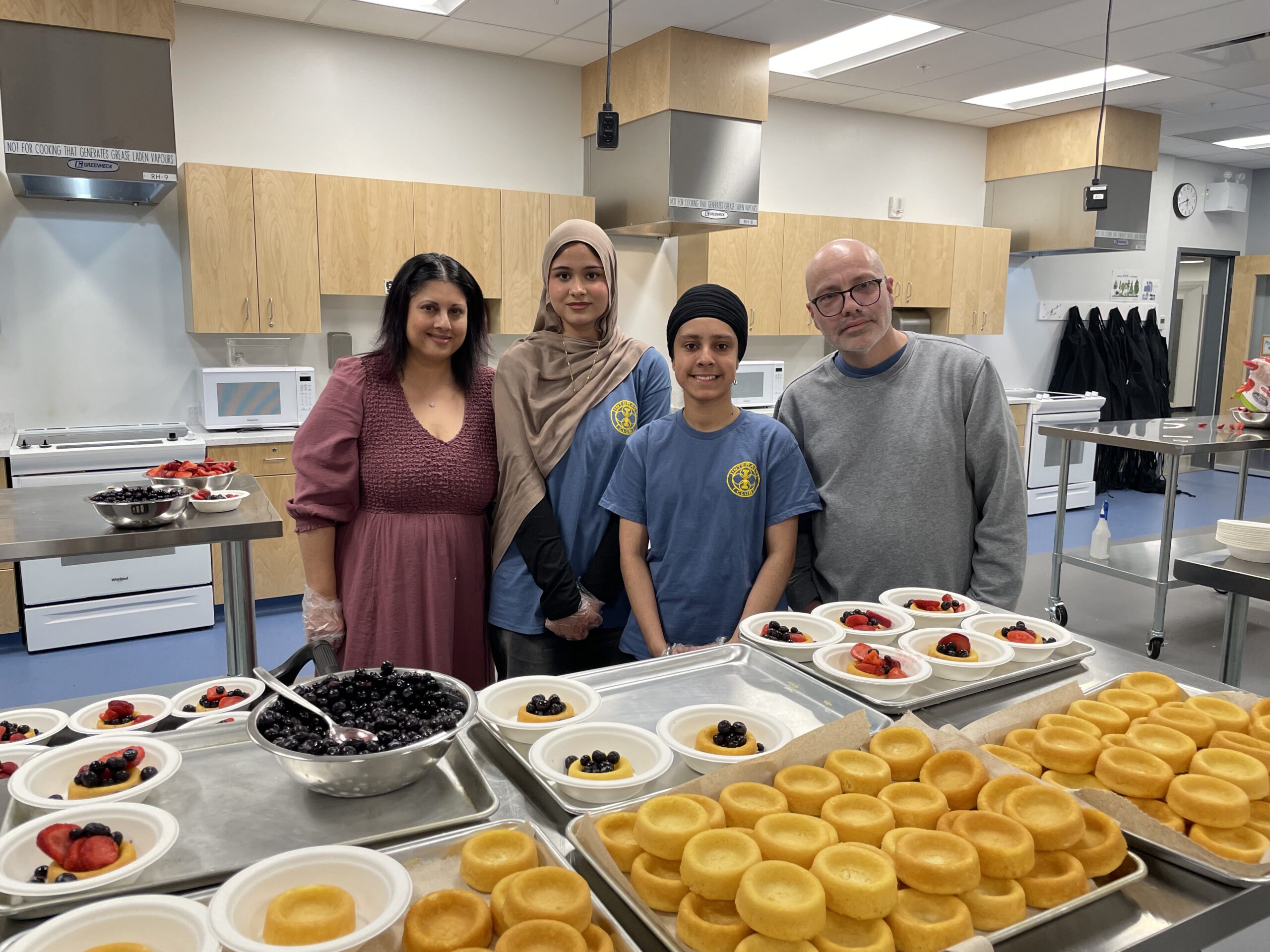
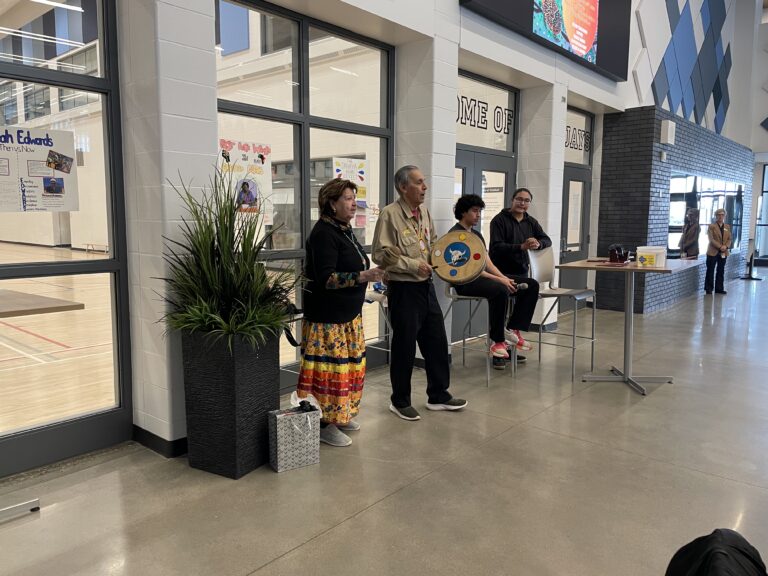
Guests were welcomed with gifts of sage as families, students, and community members gathered to celebrate the Spring Equinox on Treaty 6 territory.
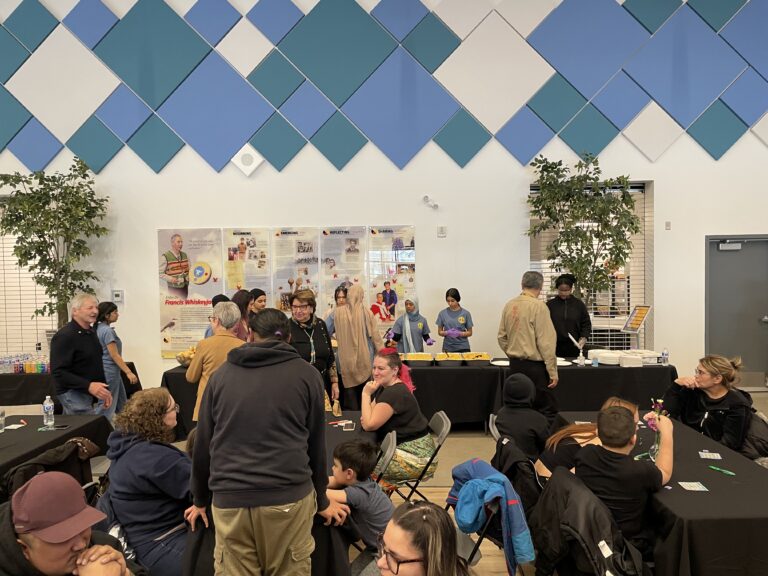
Children raced through an Easter egg hunt, volunteers prepared and served a delicious dinner, and conversations sparked between Indigenous and non-Indigenous families brought together through culture, food, and connection.
Throughout the evening, students created opportunities for people to gather, share stories, and build relationships. The event reflected a simple but powerful idea: reconciliation grows through connection.
By bringing Indigenous families, students, staff, and community members together, Living Wahkohtowin created a space where people could celebrate culture, strengthen belonging, and learn from one another.
Living Wahkohtowin was made possible through United Way’s Make Your Mark program, which empowers young people to identify needs in their communities and take action. Through the program, student teams receive grants of up to $1,000 to design and lead projects that create positive local change.
Organized with the support of the school’s First Nations, Métis, and Inuit Consultant, Corey Wells, and the EDFW Rotary Interact Club, Living Wahkohtowin was designed to bring Indigenous families and the broader school community together through cultural celebration, shared experiences, and community care.
The name itself reflects the heart of the project. The Cree word Wahkohtowin speaks to kinship, relationships, and caring for one another. The word Living represents the students’ commitment to putting those values into action.
For one of the students working on this project, creating a welcoming space was at the centre of the event.
“I really hope everyone feels welcome because this is all about making the Indigenous community here in Edmonton feel welcome at our school and to belong once again.”
That sense of belonging guided every aspect of the celebration.
Students organized dinner, coordinated activities for children, and arranged gift basket giveaways to help support families in the community.
Living Wahkohtowin was created in response to the ongoing impacts of colonialism, intergenerational trauma, and the barriers that continue to affect Indigenous communities today. Students wanted to honour the Truth and Reconciliation Commission’s Calls to Action by creating opportunities for connection, understanding, and celebration.
Located in southeast Edmonton, the school sits on the traditional territory of the Papaschase First Nation — land that was forcibly taken more than a century ago. While students cannot change the past, they recognized they have a role to play in shaping a more inclusive future.
For another student organizer, that future begins with celebrating culture and creating opportunities for people to connect with it.
“Our hope is that people feel more connected with this beautiful culture. We invited some Indigenous families from our school and from our community. Our hope is that people feel more connected and appreciative of this beautiful culture.”
The project became an opportunity for students and staff alike to deepen their understanding of Indigenous cultures and histories.
“When we found out that we were going to get this grant, we were so excited,” said Pearl Wielki, a teacher involved in the initiative. “It was a way for us as a group to learn about this nation’s culture, and an opportunity for our students to be part of something their school is named after.”
The project also reinforced an important lesson about reconciliation: meaningful understanding comes through participation and relationship-building.
“A lot of our students are not Indigenous,” Pearl added. “And to achieve reconciliation we can only do that if you are a part of the culture. That’s why we applied, and I’m so glad you were able to give us this grant.”
Rather than learning about reconciliation solely through textbooks or classroom discussions, students had the opportunity to experience it through shared meals, cultural celebration, and community connection.
For Indigenous youth, events like Living Wahkohtowin can help foster pride in identity and culture. Organizers hope that when Indigenous students see their cultures celebrated within their school community, they feel a stronger sense of belonging and connection.
For non-Indigenous students, the event created opportunities to learn, listen, and participate in meaningful ways.
And for the broader community, it offered a reminder that reconciliation is not only about acknowledging difficult truths from the past. It is also about building stronger relationships in the present.
At its heart, Living Wahkohtowin demonstrated the power of community coming together through the values of kinship, respect, and care.
Through shared meals, cultural celebration, and student leadership, reconciliation became something people could experience together.
Projects like Living Wahkohtowin demonstrate what is possible when young people are given the resources and support to turn their ideas into action. Through Make Your Mark, students are empowered to address issues they care about while developing leadership skills, building community connections, and creating meaningful change.
United Way of the Alberta Capital Region is grateful to the TELUS Community Board for helping make opportunities like this possible. Their support of Make Your Mark helps equip the next generation of changemakers with the tools, confidence, and resources to strengthen their communities.
Interested in learning more about Make Your Mark and the incredible projects being led by students across the region?
Learn More