October 9, 2026
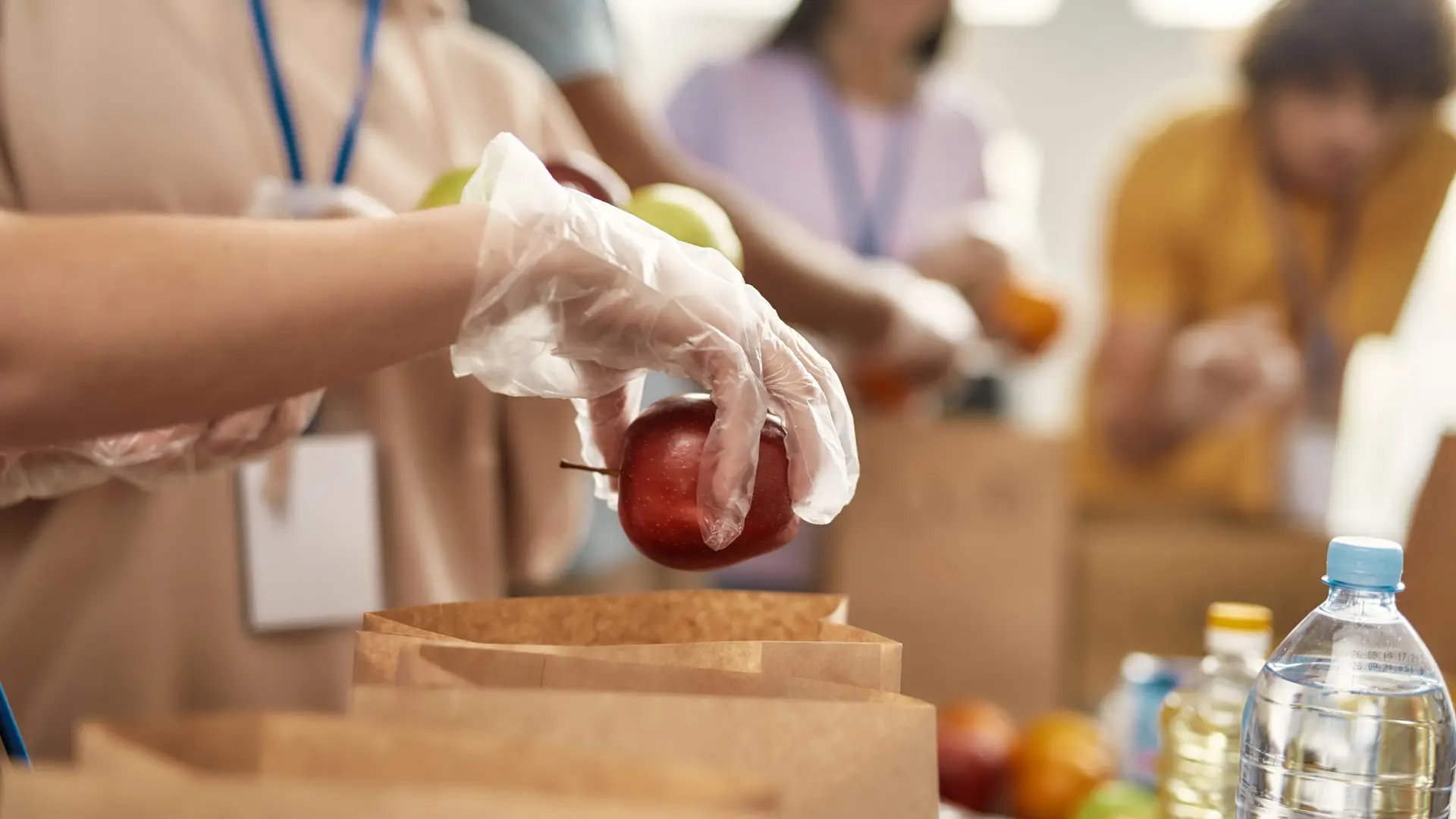
For many women, putting food on the table can come with difficult choices about what gets paid, what gets postponed, and what the family has to go without.
Women, particularly single mothers, Indigenous women, newcomer women and single senior women, face disproportionate barriers to financial security. In 2022, 46% of people living in female lone-parent families experienced food insecurity.
For a single parent, stretching a grocery budget can mean choosing between buying enough food, paying the rent, or covering an unexpected expense. For a newcomer family, navigating unfamiliar systems while trying to make ends meet can add another layer of stress. For children, not having enough to eat can affect their ability to focus, participate, and feel connected at school.
Food security touches every part of a person’s well-being.
That’s why United Way of the Alberta Capital Region works with local partners to address the underlying barriers that make it harder for people to build stable futures — not just the immediate need for food.
Sometimes, the first step is simply knowing where to turn.
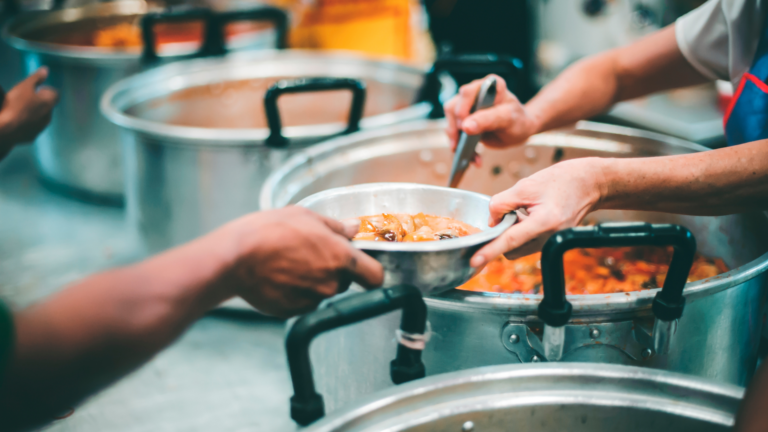
Through 211 Alberta, people can connect with local resources, including food hampers, food banks, community meal programs and other supports. Having access to these resources can provide immediate relief while helping people find additional services that can support their longer-term stability.
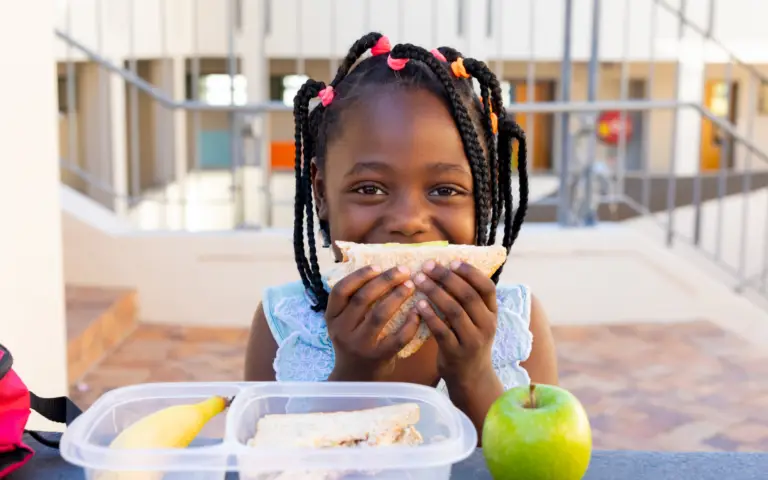
United Way also supports programs that help ensure children have access to food at school. Through All In for Youth, school-based supports can help remove barriers that make it harder for young people to succeed — including the barrier of not having enough to eat.
Food security is closely tied to financial security. Programs such as Empower U help people build financial knowledge and skills, access resources, and take steps toward greater financial stability. Because when people have more tools and support to manage their finances, they can have more choices when unexpected costs arise.
For women facing food insecurity, a meal or hamper can mean more than putting food on the table that day. It can mean breathing room. It can mean less stress about how to feed the kids. It can mean having the stability to focus on school, work, health or the next step forward.
For Mary, a 67-year-old Elder living alone on a fixed income, rising costs and limited resources meant she sometimes skipped meals to stretch her budget. She was also becoming increasingly isolated and had difficulty accessing services without reliable transportation.
Through a connection to the Edmonton Aboriginal Seniors Centre, Mary accessed food supports and learned about other resources, including affordable housing and transportation options. Just as importantly, she found a culturally safe community where she felt welcomed and connected.
A few months later, Mary shared that she was “laughing again” and looking forward to coming to the Centre. Today, she calls it her “second home.”
Mary’s story shows that addressing food insecurity is about more than putting food on the table. It’s about helping people access the support, stability, and connection they need to live with dignity and wellness.
When we help remove the barriers that keep women from moving forward, we’re not just helping someone get through today. We’re helping create the stability, dignity and opportunity that make a stronger tomorrow possible.
And that’s the kind of change we can create together.
Find out how you can be a part of the Women United movement to help empower women and change local lives.
Join Now